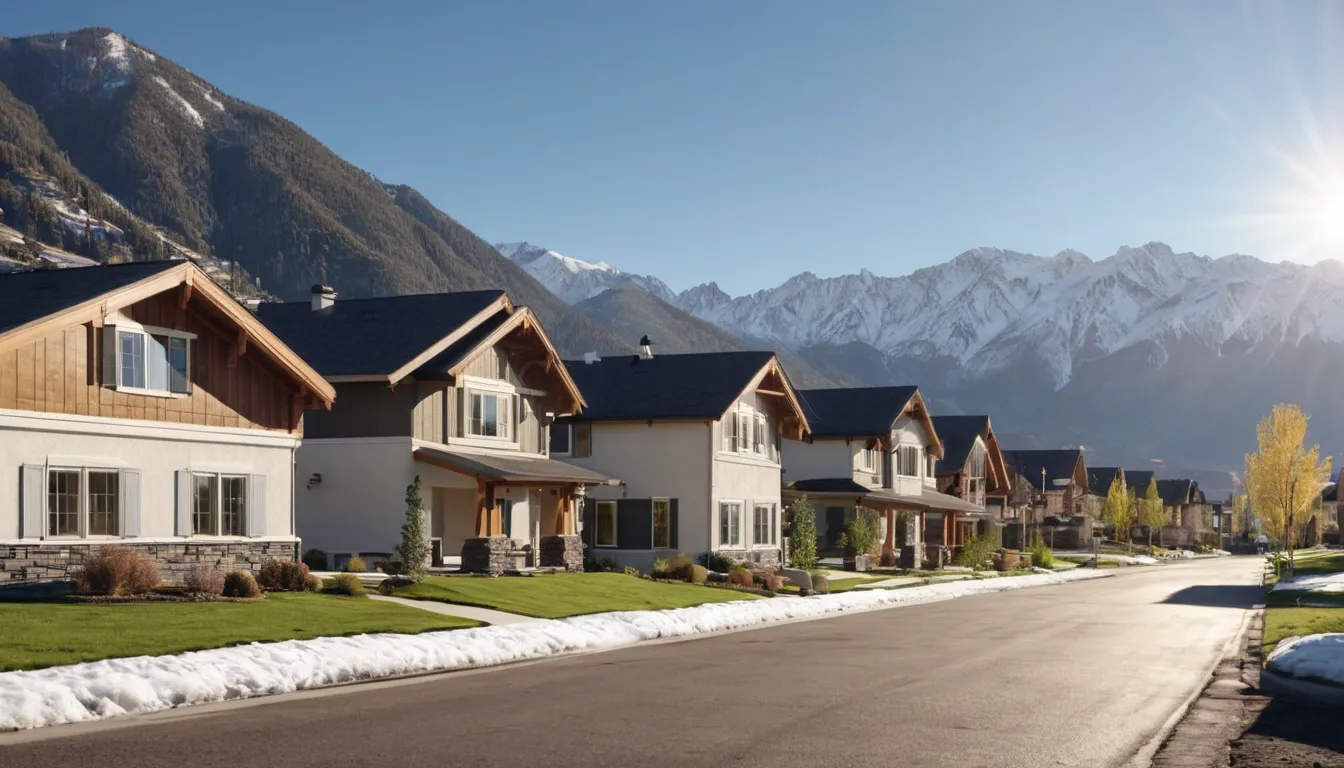
Need rodent and wildlife removal in Eagle Mountain?
Tell us what you found and where. Send the request form, or Request a callback to check provider availability in Eagle Mountain.
No obligationMice, rats, squirrels, raccoons, and bats can move into a home fast. They chew wires, tear up insulation, and leave droppings behind. A small noise in the wall can turn into a large repair if it goes unchecked.
Millionbut Pest Control is a referral service. We do not do the removal work. We help homeowners in Eagle Mountain reach independent providers in our network, and we give you a checklist so you know what to ask. First, write down what you see and hear. Then compare answers from providers before you book.
First, write it down. Note the sound, the place, and the time of day. Then read the steps below. A provider can use your notes to work out which animal you have.
1. Note where the noise or smell is strongest. 2. Take photos of droppings, chew marks, or damage. 3. Keep kids and pets away from that area.
That is enough to start. Do not seal holes yet. An animal trapped inside can cause more damage.
Rodents gnaw all the time. Their teeth keep growing, so they chew wood, pipes, and wire. Chewed wiring is a fire risk. Wet, soiled insulation stops working well.
Mice and rats also breed quickly. Catch it early, and the job stays small.
Small dark pellets near walls or in cabinets are a common mouse or rat sign. A sharp, musky odor can mean a nest nearby. Write down where you find them.
1. Inspection. The provider looks for the animal, the entry points, and the damage. 2. Plan. You get the method, the timeline, and a written quote. 3. Removal. The provider uses traps, one-way doors, or other tools suited to the animal. 4. Sealing. Once the animal is out, the entry points get closed. 5. Follow-up. Ask whether a recheck visit is included in the quote.
Rules vary by area. Some animals are protected. Some seasons limit when a provider can remove them, such as when babies are in a nest. A good provider knows the local rules and explains them in plain words.
Ask how the animal will be handled and where it goes.
Use this list when you talk to a provider:
A good answer is specific. The provider names the animal, explains the method, and puts the price in writing. They mention seasons or local rules without being asked. They say what the quote does not cover.
If you see two or more of these, keep looking.
Removal is only part of the job. Droppings, nests, and soaked insulation may need to be cleaned out. Some providers do this. Others refer you to a repair company. Ask which applies.
Some policies may cover sudden damage, so check your policy. Providers can often help document damage for a claim.
Catch it early. Once the animal is gone, shut the door for good.
Start with your notes. Then ask for a written estimate and compare two or three answers before you choose.
A provider checks rooflines, vents, and the foundation to find how the animals got in.
Methods are matched to the animal and follow local rules where they apply.
Openings get closed after removal so the animals cannot come back.
Ask about removing droppings, nests, and damaged insulation. Some providers include it.
Prices vary by animal, home size, and how hard the entry points are to reach. These are typical U.S. ranges only. Always get a written quote that lists exactly what is included.
| Service | Typical range | Notes |
|---|---|---|
| Inspection and assessment | $100 – $300 | Some providers apply this to the job |
| Mouse or rat trapping | $300 – $1,200 | Depends on follow-up visits |
| Squirrel or raccoon removal | $350 – $1,000 | Higher if there are babies |
| Bat exclusion | $500 – $4,000 | Seasonal rules may apply |
| Entry point sealing | $200 – $2,000 | Roof height and materials matter |
| Attic cleanup and insulation | $1,000 – $8,000 | Based on size and damage |
Record the sounds, smells, and damage you notice, with the time and place for each.
Request a callback to check provider availability, or send the request form with your notes.
Look at the method, sealing plan, and cleanup. Do not choose on price alone.
After removal, make sure entry points are closed and ask about any recheck visit.
Use our steps to gather notes, so providers can give clearer answers.
You reach local providers in our network who handle the actual work.
Ask before you book, with questions and red flags laid out in plain words.
Ask two or three providers for written estimates, then weigh their methods and sealing plans.
Tell us what you found and where. Send the request form, or Request a callback to check provider availability in Eagle Mountain.
No obligationLook at timing and droppings. Night scratching with small pellets often means mice or rats. Daytime thumping points to squirrels. A provider can confirm after an inspection and tell you which method fits.
Not until you know the animal is gone. Sealing it inside can lead to damage and bad smells. Let a provider confirm the area is clear, then close every entry point for good.
Typical U.S. prices range from a few hundred dollars for simple trapping to several thousand for bat work, repairs, or attic cleanup. Costs vary by job, so ask for a written quote.
Tell us what you found and where. Send the request form, or Request a callback to check provider availability in Eagle Mountain.
No obligation